

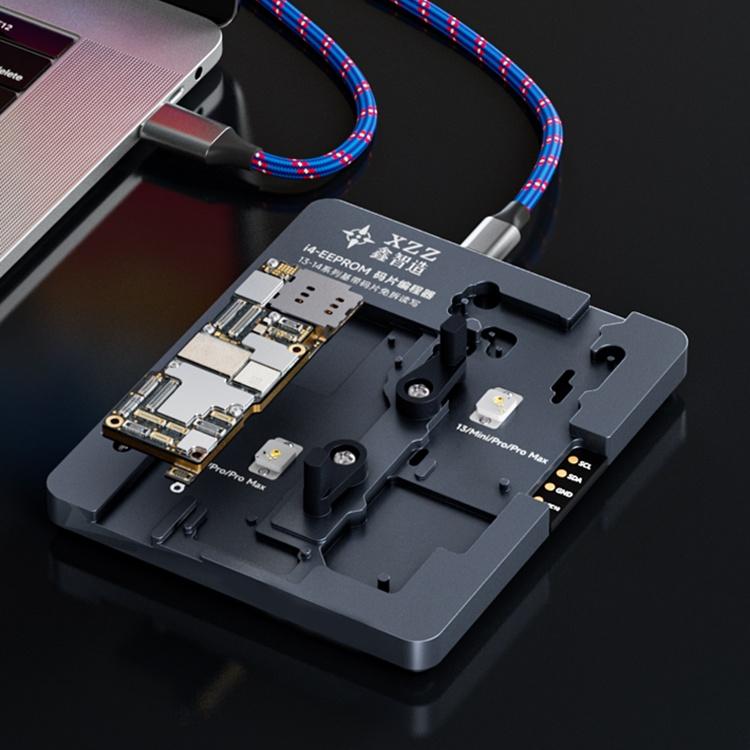
Phone Repair Programmers Explained: What They Do and How to Choose the Right One
A mobile phone programmer can be a valuable addition to a repair workshop, but choosing one is not as simple as buying the machine with the longest feature list.
Some programmers support device diagnostics and servicing tasks. Others are designed for particular components, functions or phone models. Their capabilities can vary significantly, and a tool that works with one device generation may not support another.
For technicians in Kenya looking to expand into specialist mobile phone repair, understanding what programmers actually do is the first step towards making a sensible investment.
This guide explains the main types of mobile phone programmers, what to look for before buying one and how to match the equipment to the work your workshop handles.
What is a mobile phone repair programmer?
A mobile phone repair programmer is a specialist electronic tool used to communicate with supported phone components or devices and perform specific manufacturer- or tool-supported operations.
Depending on the programmer, its intended application and the device, it may support tasks such as:
- Reading information from supported components.
- Writing or updating supported data.
- Working with compatible storage or memory components.
- Supporting authorised device servicing procedures.
- Performing specific diagnostics or component-related operations.
Not every programmer performs all these functions. Some are highly specialised, while others support a wider range of devices and operations.
The most important thing to understand is that a programmer is not a universal phone repair machine. Its usefulness depends on its compatibility, software support and the actual repair work you perform.
1. Different types of mobile phone programmers
Programmers are often grouped according to the components, devices or repair procedures they support. Understanding these differences helps prevent confusion when comparing products.
Memory and storage programmers
Some programmers are designed to work with supported memory or storage components.
Depending on the equipment and compatible device, they may be used for documented reading, writing, testing or servicing operations involving particular memory technologies.
Before purchasing one, check:
- Which memory types it supports.
- Whether it works with the components you encounter.
- Whether additional adapters are required.
- Which software and firmware versions are supported.
- Whether the manufacturer provides clear operating documentation.
Do not assume that a programmer supporting one memory type automatically supports every storage component used in modern smartphones.
eMMC and UFS-related equipment
eMMC and UFS are storage technologies found in different generations and categories of mobile devices.
Some specialist equipment is designed to work with supported eMMC or UFS components. However, compatibility can depend on the specific chip, package, adapter, software and operating procedure.
When comparing this equipment, look beyond the technology name on the packaging. Confirm the exact supported components and documented operations.
Component-specific programmers
Some programmers are developed for particular repair applications rather than general storage work.
For example, specialist equipment may be designed to support certain display, sensor or other component-related service procedures.
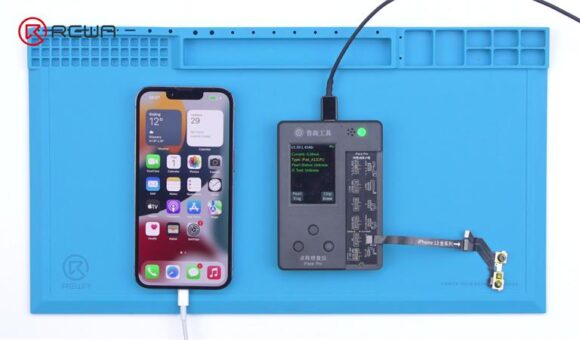
Face ID-related programmers and adapters fall into this broader specialist category. Their capabilities are model-dependent, and they should not be treated as universal solutions for security-sensitive repairs.
For more context, see our guide to Face ID repair tools, adapters and programmers.
2. What should you consider before buying a phone programmer?
The right programmer is the one that supports the work you actually intend to perform. A large feature list is not useful if the equipment does not support your customers’ devices.
Add a review
Your email address will not be published. Required fields are marked *